SR&ED for manufacturing companies
In a plant, SR&ED happens on the shop floor: developing a process, running production trials, automating a line. This work is eligible and is the most often overlooked.
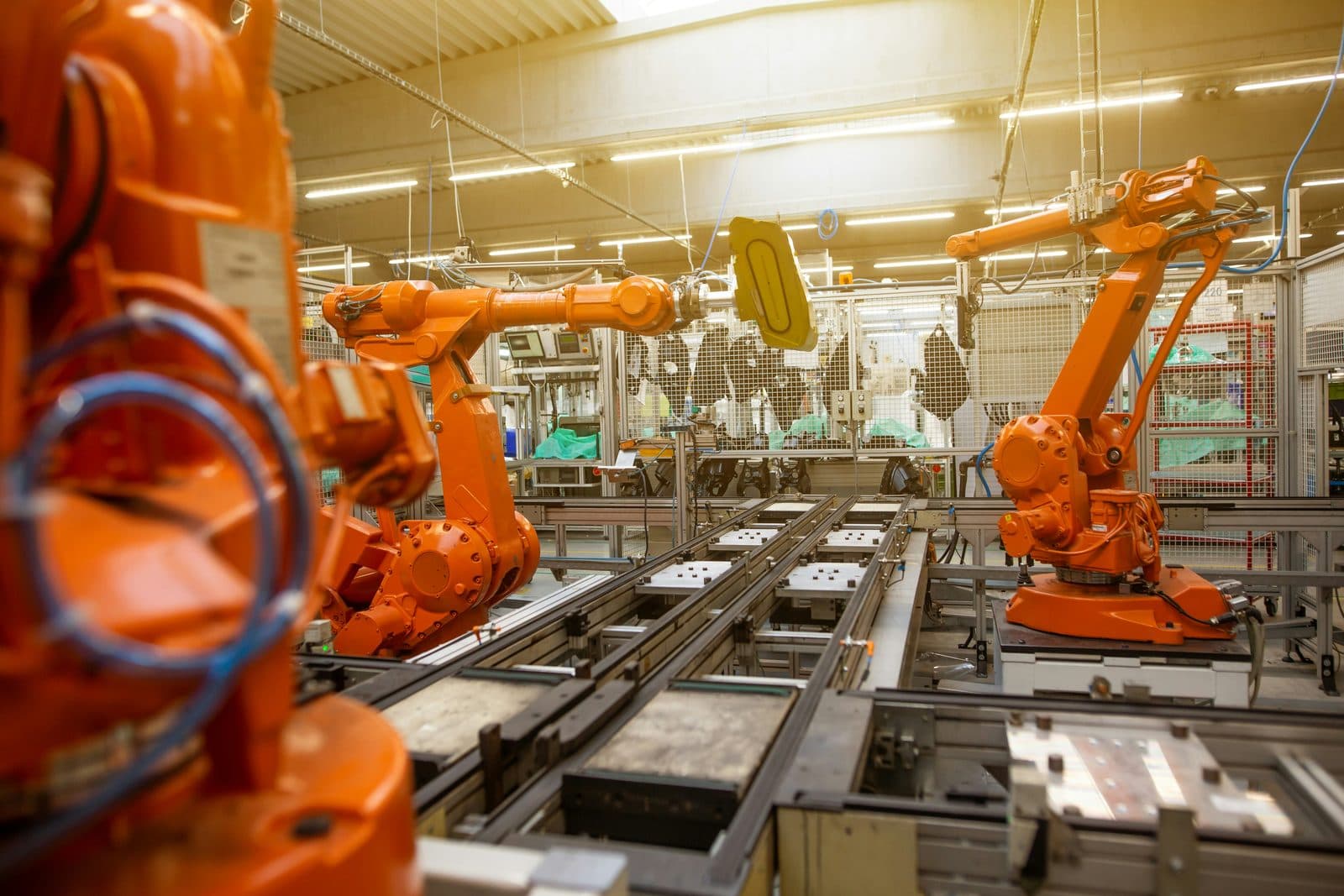
- Process development
- Trials and qualification runs
- Automation and robotics
SR&ED in a manufacturing setting
A manufacturer claims SR&ED for work that resolves a technological uncertainty about a process, a piece of equipment or a product: holding a tolerance the current process cannot reach, adapting a line to a different raw material, integrating a robot into an existing sequence. The federal credit is 35% of eligible expenditures, refundable for a Canadian-controlled private corporation, and 15% non-refundable for others. The work does not have to take place in a laboratory to be eligible.
- 01
Processes
Reducing a scrap rate, holding a cycle time on a variable material, qualifying a new supplier: where the outcome is not predictable in advance, the trials are experimental development.
- 02
Equipment
Modifying a machine for a use it was not designed for, or making two control systems communicate, is SR&ED. Buying the equipment is not.
- 03
Evidence on the floor
Production reports, setup sheets and scrap logs already exist. Tying them to a project and to hours is what turns routine activity into a defensible claim.
Have your production work assessed
Tell us about a recent technical difficulty on your floor. We will tell you in twenty minutes whether it qualifies for the credit.
Frequently asked questions
No. Acquiring a capital asset is not an eligible expenditure. However, work done to adapt that equipment to a use it does not serve out of the box, or to integrate it into an existing line, is eligible where it resolves a technological uncertainty. Materials consumed during those trials are also eligible.
Routine production is not. A run carried out specifically to test a technical hypothesis is, and only the hours and materials tied to that trial enter the claim. The distinction turns on the purpose of the run and on the written record that accounts for it.
Routine control is not: it verifies conformity to a known standard. Developing a test method that did not exist, or devising a control capable of detecting a defect that available methods could not detect, is eligible.
Yes, for hours actually spent on eligible work, provided they can be documented. An operator taking part in trials, a setter adjusting a process under development and a process engineer all enter the claim in proportion to their time.
We go onto the floor with your production and engineering teams to identify eligible work, we reuse the documentation that already exists, and we draft the claim.